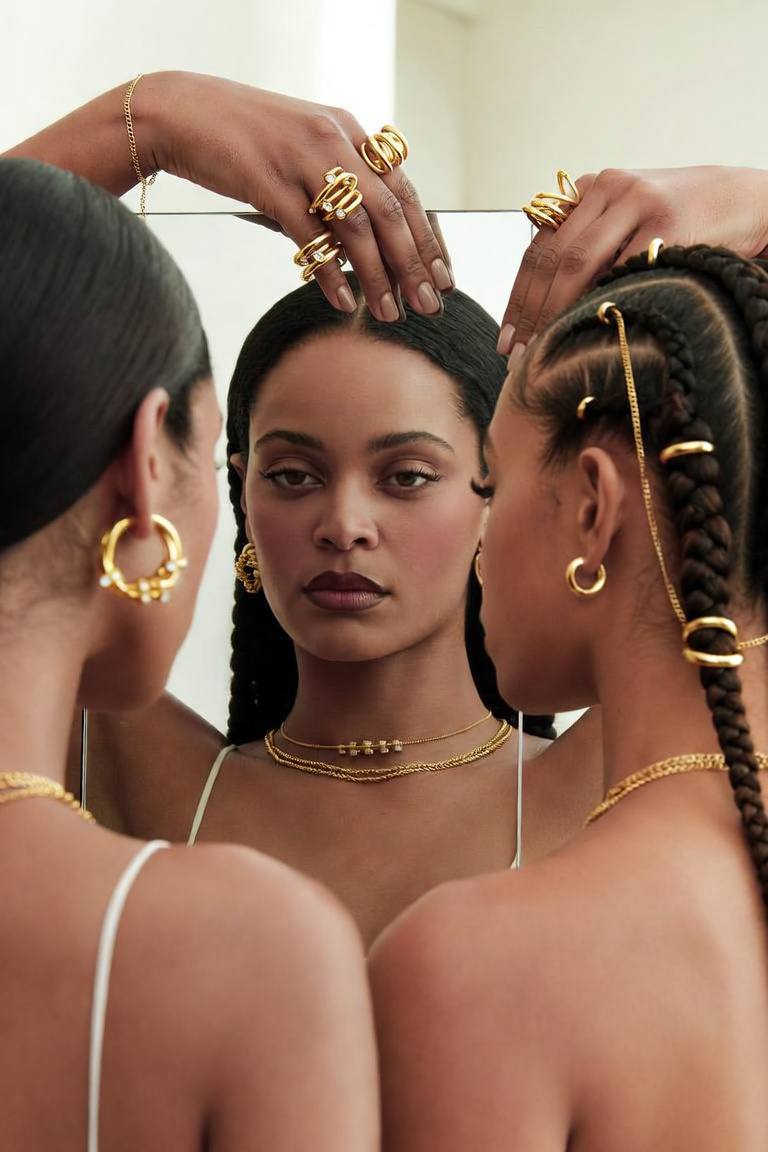

New in the journal: seven easy ways to style everyday jewellery. Read the guide

Category: Blog

  • Easy and Stunning Ways to Style Everyday Jewelry

    Easy and Stunning Ways to Style Everyday Jewelry

    Easy and Stunning Ways to Style Everyday Jewelry

    A white T-shirt and jeans can look finished with the right necklace, ring or bracelet. Here is how to get there without a big collection.

    Learning how to style everyday jewelry can transform even the simplest outfit, and it does not require an expensive collection or a deep knowledge of fashion trends. Still, many people find it hard to know which pieces work together. With so many metals, sizes and designs to choose from, getting dressed can quickly feel overwhelming.

    This guide breaks it down into seven practical tips you can use tomorrow morning. Start with the first two, then add the others as you get more confident.

    Everyday jewelry basics: start simple

    1. Begin with a simple outfit

    Plain clothes give your jewelry room to stand out. A white shirt, black trousers, a neutral sweater or a simple dress are all good starting points, because they have no competing colours or patterns. A small gold necklace and a plain ring make a white shirt look more polished; a silver chain does the same for a T-shirt and jeans.

    You do not need new clothes to match your jewelry. If you want ideas for versatile basics, New Form Society’s guide to a minimal wardrobe explains how to choose pieces that combine easily.

    2. Choose one main piece

    Let one piece take the attention: a pendant, a wider ring or a bracelet with an interesting texture. Keep everything else small. If your clothes already have strong colours or prints, choose quieter jewelry. With plain clothes, you can wear something more noticeable.

    For example, a necklace with a noticeable pendant works best with small studs and one simple ring. Everything stays balanced, and nothing competes for attention. There are no strict rules, but one main piece is a reliable starting point when you style everyday jewelry.

    Layer and stack with confidence
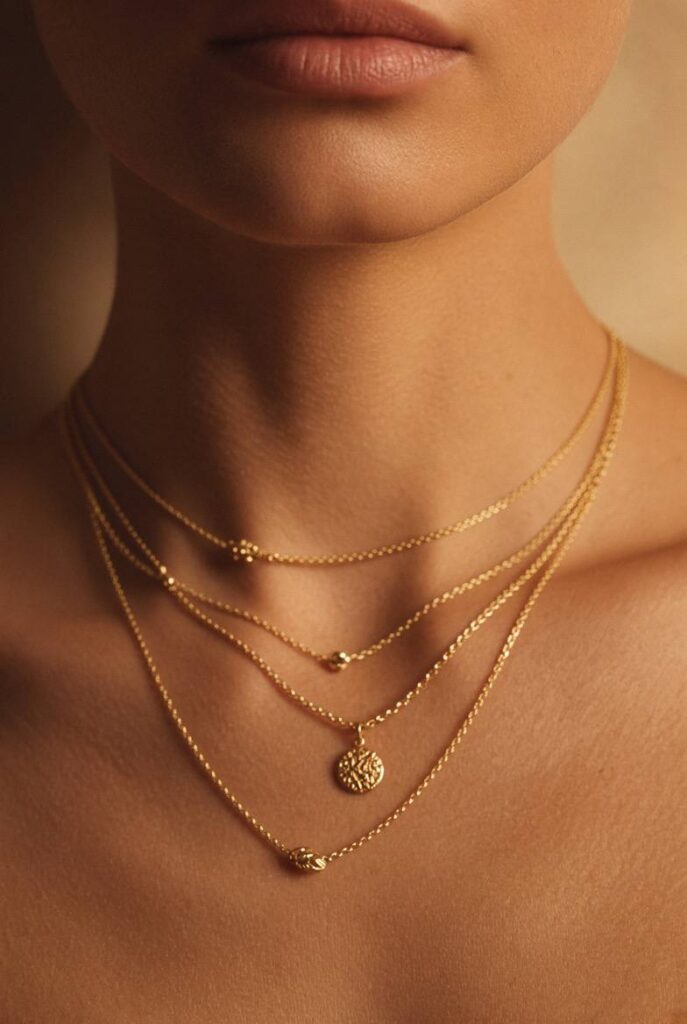
    ai content Style Everyday Jewelry: 7 Easy and Stunning Ways

    3. Try layering necklaces

    Wear two necklaces of different lengths so both stay visible, for example a short chain with a small pendant and a slightly longer plain chain. Mixing a fine chain with a thicker one adds texture. Start with two before you add a third.

    Vogue’s layering guide shows how lengths and textures work for both minimal and statement looks.

    4. Stack rings slowly

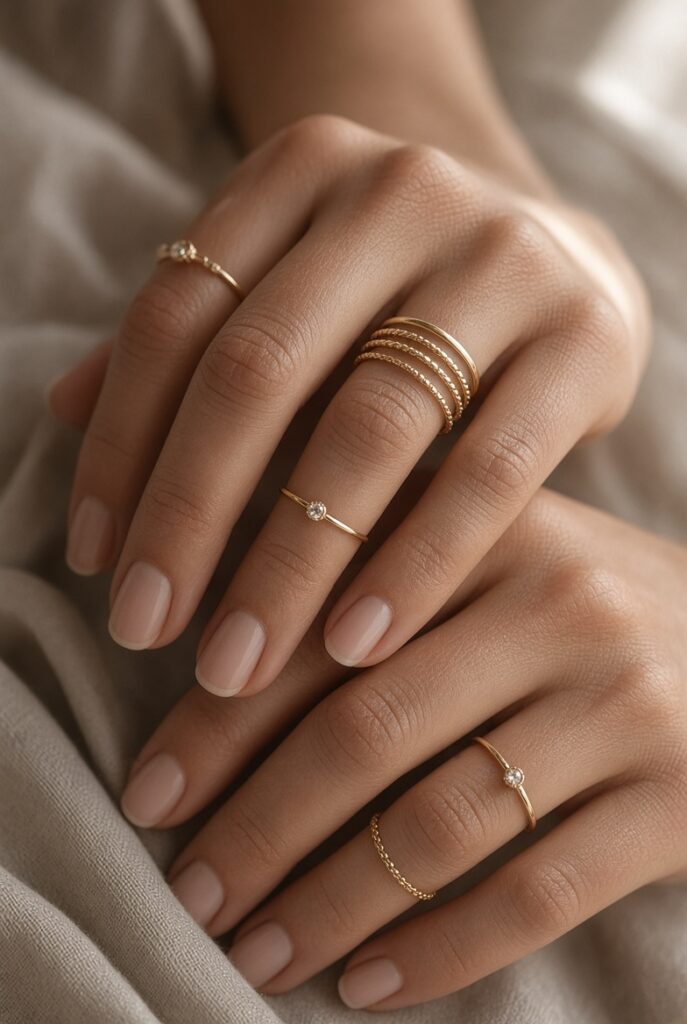
    Begin with two or three simple rings in the same metal tone. Put a thin band next to a slightly wider one, or spread rings across different fingers for balance. Comfort matters: a ring that pinches or catches on things will not become part of your daily routine.

    Colour, comfort and your routine

    5. Match metals to your clothes

    Gold adds warmth to beige, cream, brown and black. Silver feels cooler next to grey, navy and white. These are ideas, not rules: mixing a gold necklace with a silver ring can look great with a simple outfit. Test combinations in daylight.

    6. Think about your day

    A statement necklace for dinner may not suit a busy workday. For daily wear, smaller and lighter pieces are easier to combine and more comfortable. Check care instructions too, as some pieces should come off before showering, swimming or exercise.


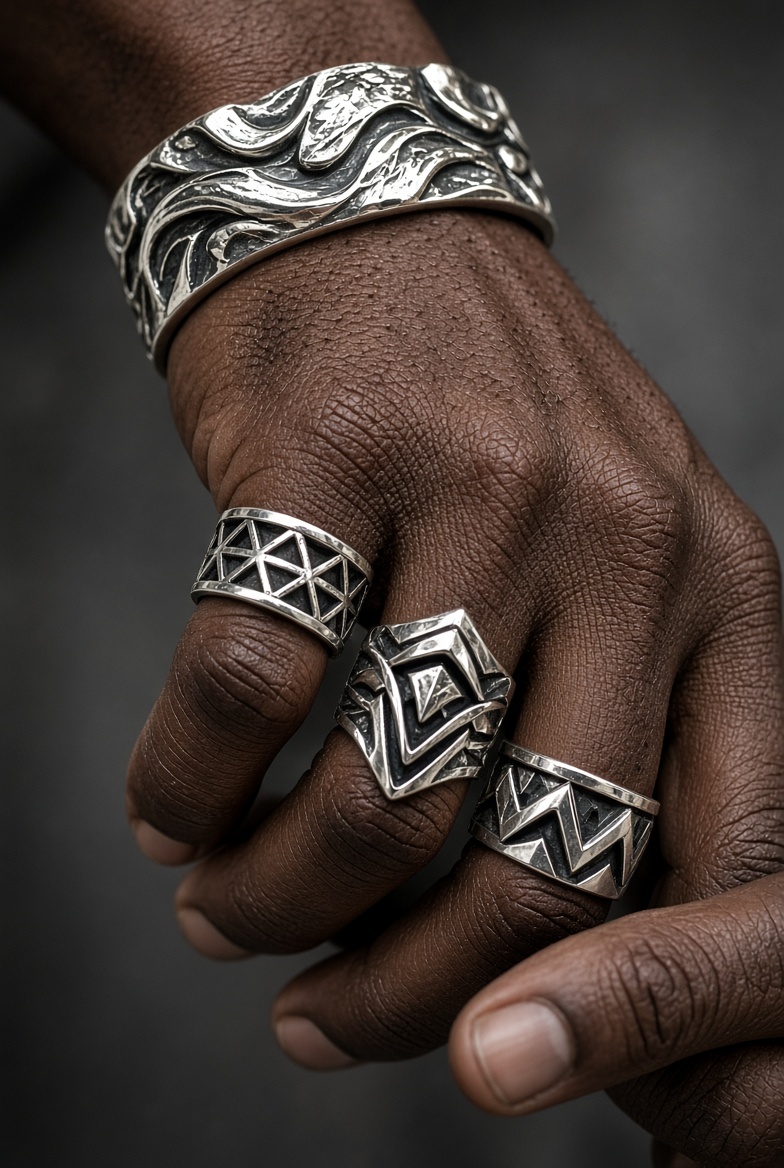
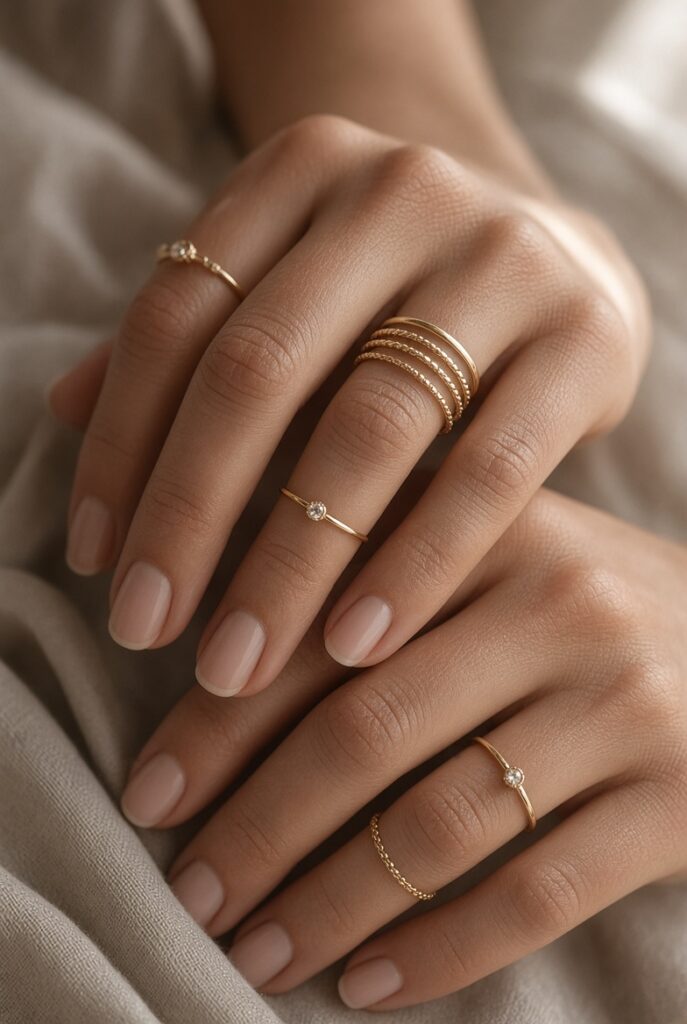
    Thin stacked rings in one metal tone
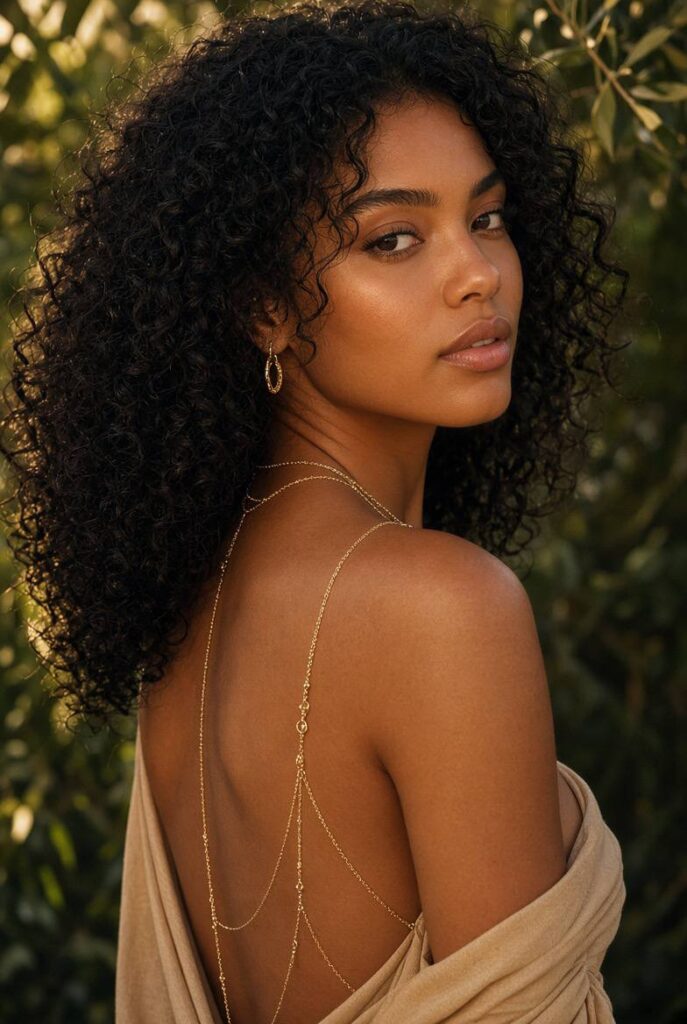
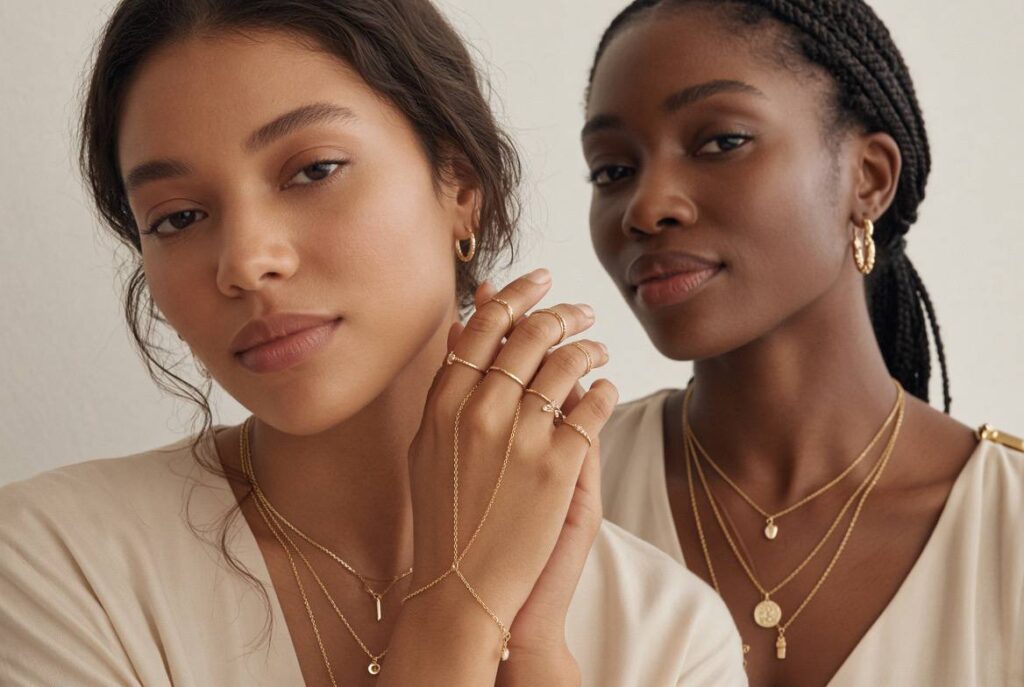
    Everyday jewelry with a simple outfit
    A single solitaire ring worn daily

    7. Build a small everyday jewelry collection

    You do not need a big collection to create many looks. A few versatile pieces already give you dozens of combinations:

    • One simple chain necklace
    • One pendant necklace
    • Two or three thin rings
    • One lightweight bracelet
    • A pair of small earrings, if you wear them

    Before buying something new, ask whether you would wear it every week and whether it works with clothes you already own. Over time, you will end up with a collection that reflects your own taste instead of every passing trend.

    That is the real secret of everyday jewelry: a few pieces you trust, worn often, in combinations that feel like you.

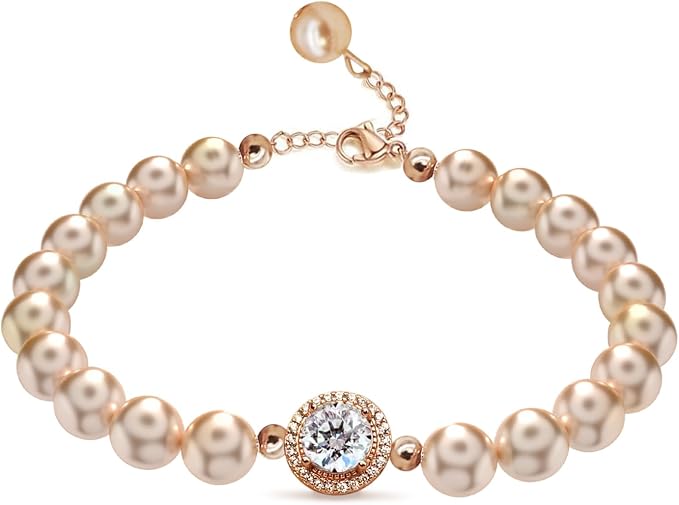
    Missing a bracelet? A light, adjustable chain is the easiest piece to add, because it fits every wrist and goes with both gold and silver.

    Bracelet link above is an Amazon affiliate link; buying through it supports Wellworn at no extra cost.
  • Stacking Rings

    Stacking Rings

    How to Stack Rings Without Overdoing It

    Thin bands, mixed textures and a stack that still feels like you at the end of the day.

    A ring stack looks effortless in photos, but in real life it needs balance. Too many rings and your hand looks busy; too few and the stack disappears. The good news is that a handful of simple rules gets you most of the way there, even if you have never stacked rings before.

    Start small, stay in one metal tone and test the fit at the right time of day. Everything else is personal taste, so treat the rules below as a starting point rather than a strict checklist.

    The rules that make a stack work

    • Start with three. Add a fourth only once the first three feel natural.
    • Pick one metal tone for a calm, planned look.
    • Vary the width: combine a plain thin band with one textured or slightly wider ring.
    • Leave a finger empty. Bare space makes the rings you do wear stand out.

    Once these four rules feel natural, experiment. Swap one plain band for a ring with a small stone, or try mixing gold and silver on separate hands. A good stack evolves slowly, one ring at a time.

    Where to place each ring

    ai content

    Index and middle finger

    These fingers are the most visible, so they suit your favourite or most detailed ring. A single wider band on the index finger makes a confident anchor.

    Ring and little finger

    Use these for thin, plain bands. Two fine rings on one finger look delicate; a midi ring above the knuckle adds height without weight.

    Getting the fit right

    Fingers swell in heat, after exercise and later in the day, and shrink in the cold. That is why the timing of a size check matters as much as the ring itself.

    Measure in the afternoon

    Your fingers are at their largest then. A ring that fits in the afternoon will not pinch on a warm day.

    Slide, don’t spin

    A good fit slides over the knuckle with slight resistance and does not twist around freely.

    Go thinner when stacking

    Several rings on one finger feel tighter together, so choose slimmer bands for multi-ring fingers.

    Single solitaire ring on a relaxed hand
    A finished stack of three thin rings

    Our pick: an adjustable ring

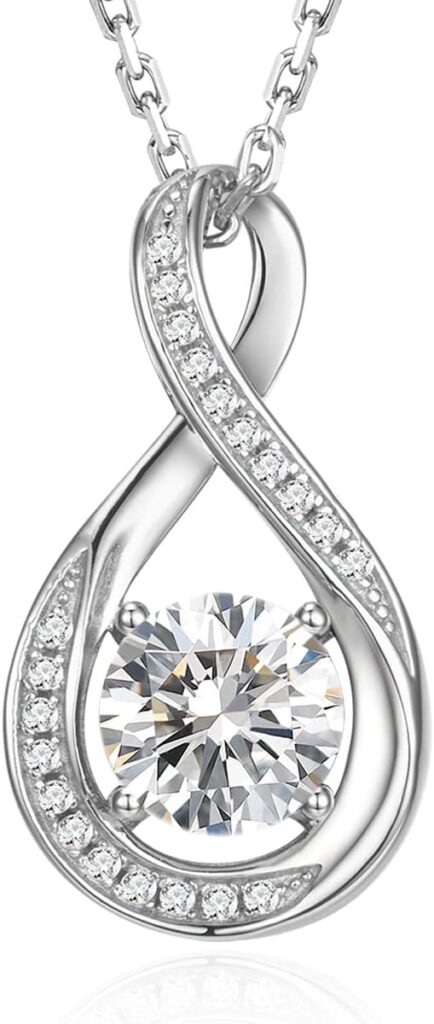
    Not sure of your size yet? An adjustable ring lets you try different fingers before you commit. This rhodium-plated moissanite ring adds a little sparkle to a plain stack. Check the metal description and read reviews about the plating after a few weeks of wear.

    Wellworn may earn a commission from this Amazon link at no extra cost to you.

  • Layer Necklaces

    Layer Necklaces

    How to Layer Necklaces Without the Tangles

    A simple formula for lengths, chains and pendants that stays neat until the evening.

    Layered necklaces are one of the quickest ways to make a plain outfit look finished. The downside is a knot of chains by lunchtime. With a little planning you can wear two or three necklaces together, keep each one visible and skip the daily untangling session.

    The three-step formula

    1. Anchor: start with a short, simple chain that sits at the collarbone.
    2. Middle: add a second necklace about 5 cm lower, ideally with a small pendant.
    3. Finish: if you want a third layer, make it longer and plain, so it frames the other two.

    Keep the gaps between layers roughly equal. That even spacing is what makes a stack look intentional instead of accidental.

    Not sure where to begin? Use a necklace you already own as the anchor and build the other layers around it. Your neckline matters too: a crew neck suits short layers, while a V-neck or open collar gives longer chains space to fall. Stand in front of a mirror and adjust one layer at a time.

    Choosing the right lengths

    Short: 38–42 cm

    Sits close to the neck. This is your anchor layer, so pick a chain you would also wear on its own.

    Medium: 45–50 cm

    The best spot for a pendant. It catches the eye without hiding the chain above it.

    Long: 55–60 cm

    Works over a shirt or knitwear. Keep it plain when the upper layers already have pendants.

    Pendant necklace for a middle layer
    Layered necklaces with a simple top
    Fastening a fine necklace in the mirror

    Our pick for the middle layer

    Sterling birthstone pendant necklace

    A small sterling birthstone pendant fits neatly between a short chain and a longer plain one. Confirm the chain length on the product page and read the latest reviews about colour after a few weeks.

    Want a matching wrist? A flat herringbone bracelet in the same gold tone completes the look without competing.

    Links to Amazon may earn Wellworn a small commission. Your price does not change.

    Keeping your layers untangled

    • Fasten each necklace separately before adding the next one.
    • Choose lobster clasps: they are easier to close and stay shut.
    • Mix chain types. A flat chain next to a rolo chain tangles less than two identical fine chains.
    • Store necklaces hanging or laid flat, never in a heap at the bottom of a bag.

    Travelling? Thread each fine chain through a drinking straw and close the clasp around the outside. It takes ten seconds and saves you from untangling knots in a hotel room.

    If two chains look the same, one of them is in the wrong place.

    The Wellworn layering rule
  • Personal Style

    Personal Style

    Find Your Jewellery Style in Four Questions

    Name what you already like, then buy less and wear more.

    Personal style is often described as something you either have or you don’t. In practice it is much simpler: it is the pattern in the things you keep reaching for. Once you can name that pattern, choosing jewellery gets faster, and you stop buying pieces that look good in a shop and then sit in a drawer.

    Four questions to ask yourself

    1. Which metal do you already wear most? Gold, silver or a mix. Start there and build on it.
    2. Do you prefer fine or bold? Thin chains and small rings, or one clear statement piece.
    3. What does a normal day look like? Desk work, travel, sport or evenings out decide how light and sturdy a piece needs to be.
    4. What do you reach for without thinking? Your most-worn piece is the best clue to everything else you should buy.

    Write your answers down. Together they form a simple buying rule, for example “fine gold pieces that survive a busy workday”. Next time you see something you like, check it against that rule. If it fits, it will probably become a favourite. If it doesn’t, you have just saved money and drawer space.

    Style in real life

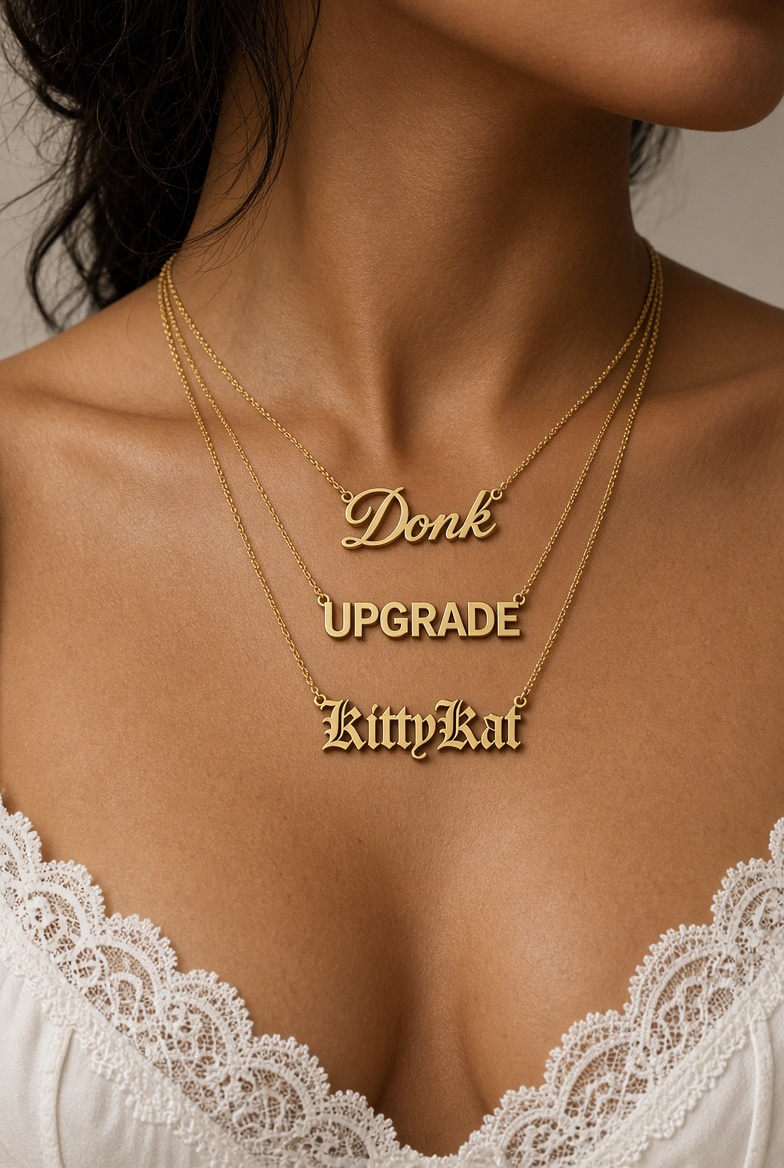
    Name necklaces layered with fine chains, mixed lengths, a finished look for the evening: three cues for what your own style might look like.

    Layered gold necklaces at different lengths
    A simple everyday jewellery piece
    ai content

    Start from what you already wear

    Your style can change over time, and that is fine. Revisit the four questions once a year, or whenever your routine changes, such as a new job or a move to a different city.

    Look at your wardrobe before you look at a shop. If most of your clothes are neutral, delicate jewellery goes with everything. If you love bold colours, a simple gold chain gives the outfit room to breathe.

    Then try the three-outfit test: before buying anything new, check that it works with at least three outfits you already own. If it does, it is worth considering. If it doesn’t, leave it.

    ai content

    Three styles, three starting points

    Quiet and minimal

    Thin chains, small studs and one band. Begin with a necklace you can wear every single day.

    Layered and playful

    Mixed lengths and stacked rings. Learn the basics of layering first, then add pieces slowly.

    Bold and singular

    One strong piece per outfit, such as a chunky ring or a sculptural pendant, with everything else kept plain so it stays the focus.

    A starting piece on Amazon

    If your answers point to quiet gold layers, a small sterling pendant is an easy first piece: it works alone today and as a middle layer later. Check the chain length and metal in the listing.

    This is an affiliate link: Wellworn earns from qualifying purchases on Amazon.

    Style is not a trend list. It is the repetition of what you keep reaching for.

    Wellworn
  • Jewellery That Doesn’t Tarnish: Everyday Earrings Worth Buying

    Jewellery That Doesn’t Tarnish: Everyday Earrings Worth Buying

    ai content

    Jewellery That Doesn’t Tarnish

    Everyday earrings worth buying, and the small habits that keep them shiny.

    Earrings sit against skin, sweat and hair products all day, so they show wear faster than almost any other jewellery. If your earrings look dull after a few weeks, the material is usually to blame, not the way you wear them.

    Why jewellery tarnishes

    Tarnish is a reaction between metal and moisture, air, sweat or chemicals such as perfume. Silver and brass darken quickly. Thin gold plating rubs off and exposes the base metal underneath. Stainless steel (316L) and titanium resist this far better, and they are also a safer choice for sensitive ears.

    Gold vermeil, a thick layer of gold over sterling silver, sits between the two. It lasts much longer than standard plating but still needs gentle care. As a rule of thumb, the more clearly a listing describes both the base metal and the coating, the more likely the earrings are to last.

    What to check before you buy

    Material

    Look for 316L stainless steel, titanium, gold-filled or solid 14k gold. Be wary of listings that only say “alloy”, and make sure “nickel-free” is stated clearly.

    Size and fit

    Hoops of 12 to 20 mm and studs of 3 to 6 mm stay comfortable all day. A sturdy post and a secure back mean fewer lost earrings.

    Recent reviews

    Sort by newest and read comments written after a few weeks of wear. They reveal far more about durability than first impressions.

    Two materials worth choosing

    Woman wearing small gold earrings and a fine necklace

    Small hoops in 316L steel

    Small hoops go with every outfit, do not catch on scarves and stay comfortable if you forget to take them out. In PVD-coated steel they cope with rain, sweat and hand washing.

    Titanium studs

    Titanium is very light and one of the least likely metals to irritate sensitive ears, which makes it a good choice for earrings you sleep in.

    We may earn from purchases made through these Amazon links. The price stays the same for you.

    Care tips that keep earrings shining

    • Clean the posts once a week with a soft cloth and a drop of mild soap.
    • Dry them completely before you put them away.
    • Store each pair in its own compartment so they cannot scratch each other.
    • Remove earrings that cause redness or itching, and see a doctor if it continues.

    With the right material and a few minutes of care each week, a good pair of everyday earrings can easily last for years instead of weeks.

    ai content
    ai content
  • How to Choose an Everyday Gold Necklace

    How to Choose an Everyday Gold Necklace

    ai content

    How to Choose an Everyday Gold Necklace

    The necklace you put on in the morning and forget about. Here is what makes one worth wearing every day.

    An everyday necklace only works if it is light, comfortable and kind to your skin. Many necklaces look perfect in product photos but feel heavy, tangle in your hair or lose their colour within weeks. This guide covers what to check before you buy, so your chain keeps up with real life.

    This guide contains Amazon links. If you buy through them, Wellworn may earn a small commission at no extra cost to you.

    What makes a necklace “everyday”

    • A fine chain layers easily and does not pull on clothes or hair.
    • The right length: 40 to 45 cm sits at the collarbone and suits most necklines; 50 cm falls lower and works over knitwear.
    • A secure clasp: a lobster clasp is more reliable than a spring ring.
    • A small pendant or none: a bar, droplet or initial goes with almost everything.

    Gold-plated, gold-filled or stainless steel?

    The word “gold” in a listing can mean very different things. The metal underneath decides how long your necklace keeps its colour.

    Gold-plated

    A very thin layer of gold over brass or copper. Affordable and pretty at first, but sweat, water and friction wear it down, often within months.

    Gold-filled

    A much thicker gold layer bonded to the base metal. It costs more, but can last for years with normal care, which makes it a sensible middle ground.

    Stainless steel

    Steel with a PVD gold coating is the toughest option. Choose it if you shower, swim or work out without taking your jewellery off.

    Two ways to start

    Fine pendant necklace on a plain background

    Want a pendant? This sterling birthstone necklace is light, plain enough for daily wear and works on its own or as the shortest layer. Check the chain length and stone setting in the listing.

    Prefer a plain chain? Search for “gold-filled” or “316L stainless steel” and filter by 40 to 45 cm. Skip listings that only say “alloy”.

    How to make it last

    • Put your necklace on after perfume, lotion and hairspray.
    • Take it off for swimming, showers and workouts.
    • Wipe it with a soft, dry cloth when you take it off.
    • Store it flat or hanging in a small pouch, away from moisture.

    Will it turn my skin green?

    Green marks appear when a base metal reacts with sweat once the plating has worn through. Gold-filled and stainless steel are far less likely to cause this.

    ai content Style Everyday Jewelry: 7 Easy and Stunning Ways
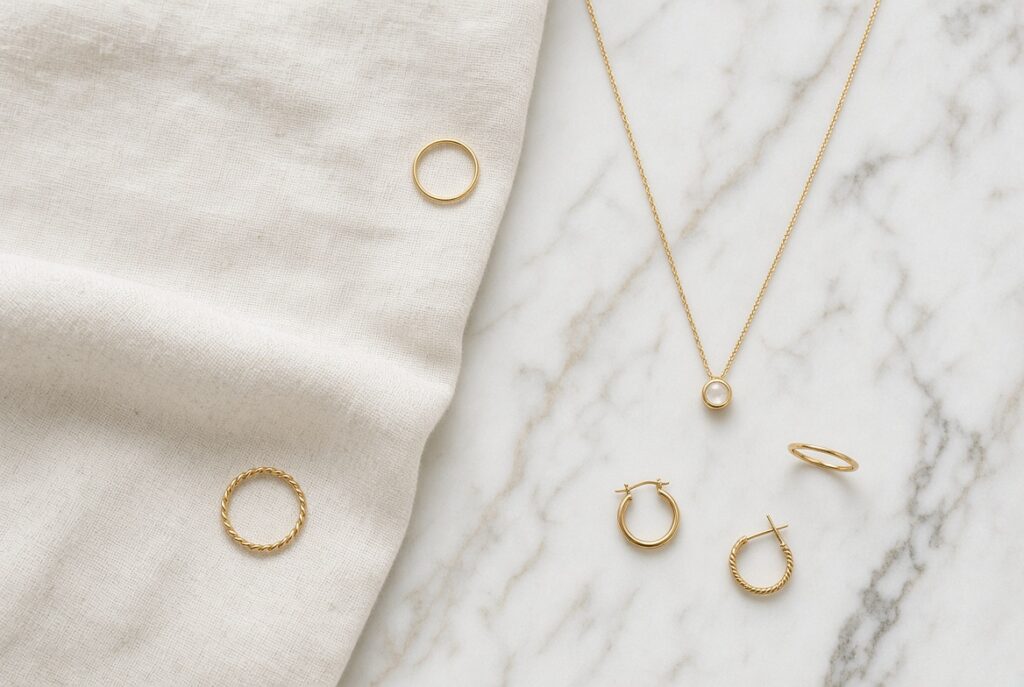
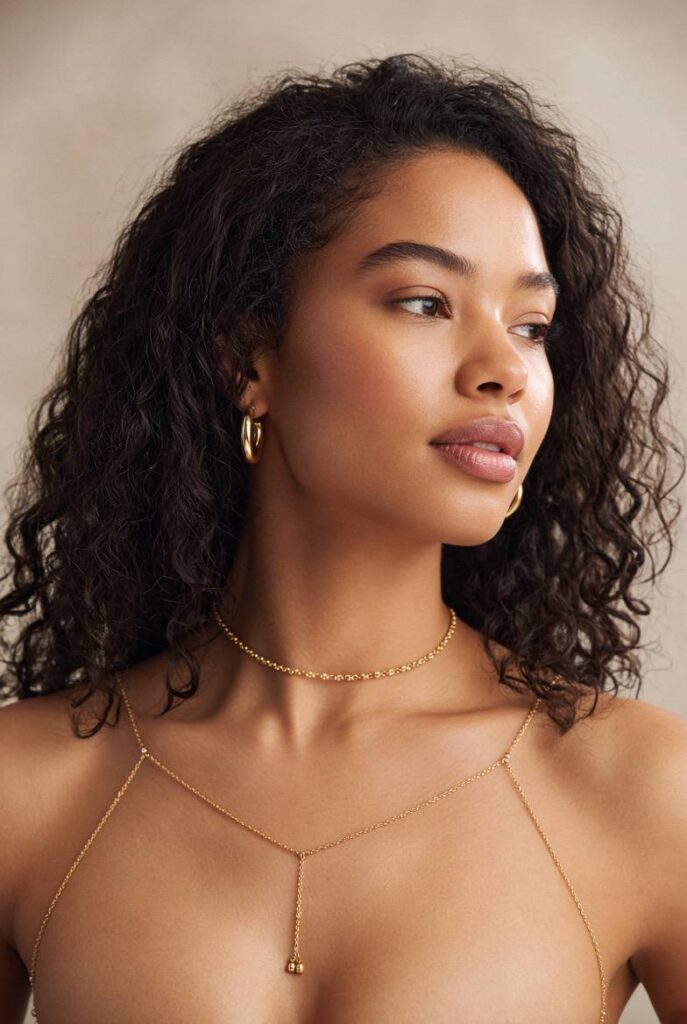
    Simple gold jewellery worn every day